Linking Real-Time Athletic Results to Customized Promotional Structures Across Platforms
Leon Fischer · Nov 16, 2026
Linking Real-Time Athletic Results to Customized Promotional Structures Across Platforms
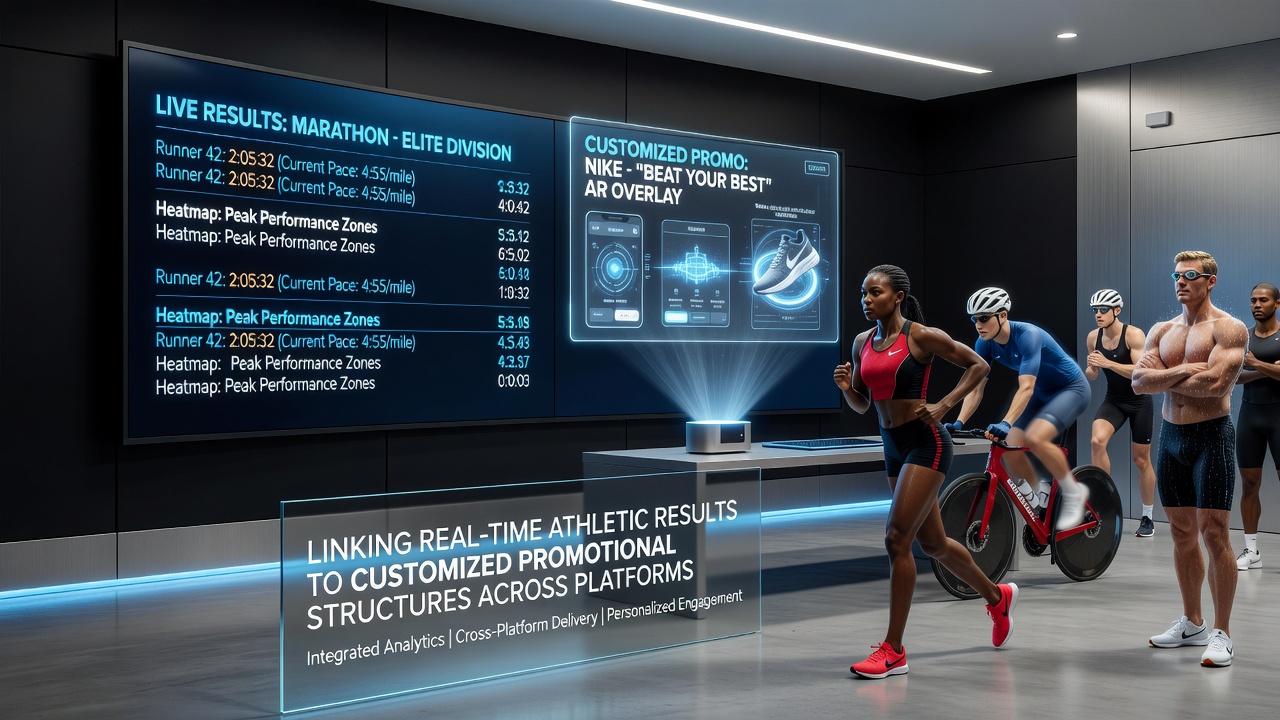
Platforms now pull live athletic results straight into backend systems that adjust promotional offers across websites, apps, and connected services, and this integration relies on standardized data feeds from event organizers combined with user profile information. Observers note that such connections allow structures to shift based on score changes, time remaining, or performance milestones, while companies deploy APIs to synchronize everything in seconds rather than minutes.
Data Integration Mechanisms
Real-time feeds originate from official timing systems and sensors at venues, then travel through secure channels to central servers where algorithms evaluate incoming values against predefined rules for each promotion type. Those who've examined the architecture point out that platforms combine these inputs with historical patterns and current user sessions so offers appear at the right moment on multiple channels simultaneously. Data shows this process handles thousands of concurrent events without lag when networks maintain proper redundancy.
Researchers have documented how companies partition data streams by sport and league to prevent overload, and they route only relevant updates to the promotional engines handling specific regions or user segments. In November 2026 several major athletic calendars overlapped with international tournaments, which increased the volume of live data points crossing into marketing platforms by measurable margins according to industry tracking reports.
Customization Across Digital Environments
Promotional structures adapt through rule sets that reference both the athletic outcome and the platform where a user interacts, so a mobile app might surface one reward while a desktop site presents another even when the underlying athletic result stays identical. Experts have observed that segmentation draws on device type, session duration, and prior engagement levels to refine the final offer delivered to each account. This approach keeps structures from feeling generic while still operating at scale.
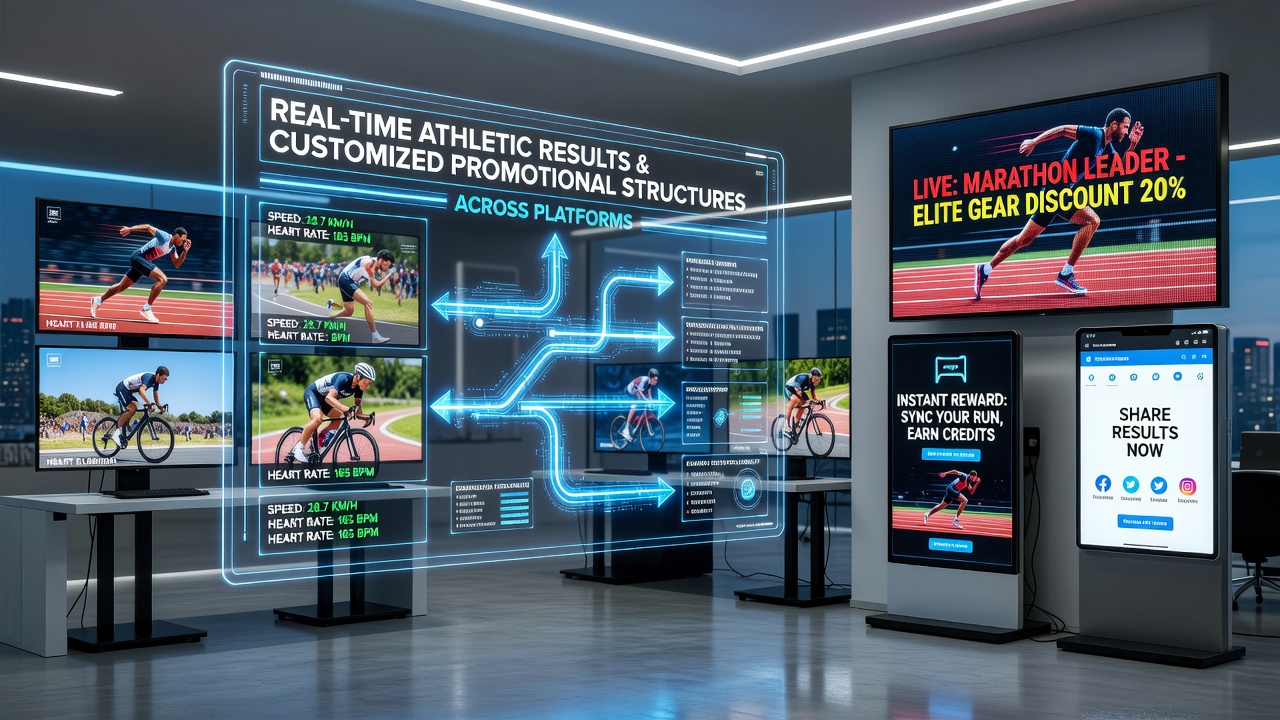
Studies from academic groups indicate that conditional logic trees grow more complex when platforms add location-based variables or time-of-day factors, yet the core remains the same: each athletic milestone triggers a narrow set of possible adjustments rather than open-ended changes. Those managing the systems report that testing occurs continuously to verify offers match the intended athletic trigger without spillover into unrelated events.
Cross-Platform Coordination Challenges
Coordinating structures across separate companies requires shared data standards and timing agreements, because one platform's delay can desynchronize the entire chain of offers users see. Figures from trade associations reveal that most operators now rely on third-party data aggregators to normalize feeds before distribution, which reduces discrepancies between sites and apps. Still, edge cases arise when venues experience brief signal loss or when leagues alter their reporting protocols mid-season.
One documented case involved a European operator that aligned its structures with an Asian streaming service during a multi-day athletic series, and the partnership depended on millisecond-level timestamp matching to keep promotions consistent. Similar collaborations appear in North American markets where regulatory frameworks encourage clear audit trails for any automated adjustments tied to live results.
Regulatory and Technical Oversight
Government bodies in multiple regions require documentation showing how athletic data influences promotional decisions, and companies maintain logs that regulators can review during periodic examinations. American Gaming Association reports outline the types of transparency measures operators implement to satisfy state-level rules. In Australia the Australian Communications and Media Authority has issued guidance on data handling practices that affect similar cross-platform systems.
Technical teams monitor latency metrics and error rates daily, since even small drifts can cause offers to appear after an athletic moment has passed and therefore lose relevance. Observers note that redundancy built into the pipelines helps maintain uptime during peak periods when multiple events run concurrently.
Conclusion
The connection between live athletic results and customized promotional structures continues to evolve through improved data standards and tighter coordination among platforms. Evidence from operational records and regulatory filings shows measurable progress in speed and accuracy, while ongoing technical refinements address remaining synchronization gaps. As athletic calendars grow denser, the systems handling these linkages face increased demands yet demonstrate consistent capacity to scale.