How Evaluation Criteria for Platform Operators Affect Strategies for Merging Forecast-Based Activities with Chance-Based Games
Leon Fischer · Nov 2, 2026
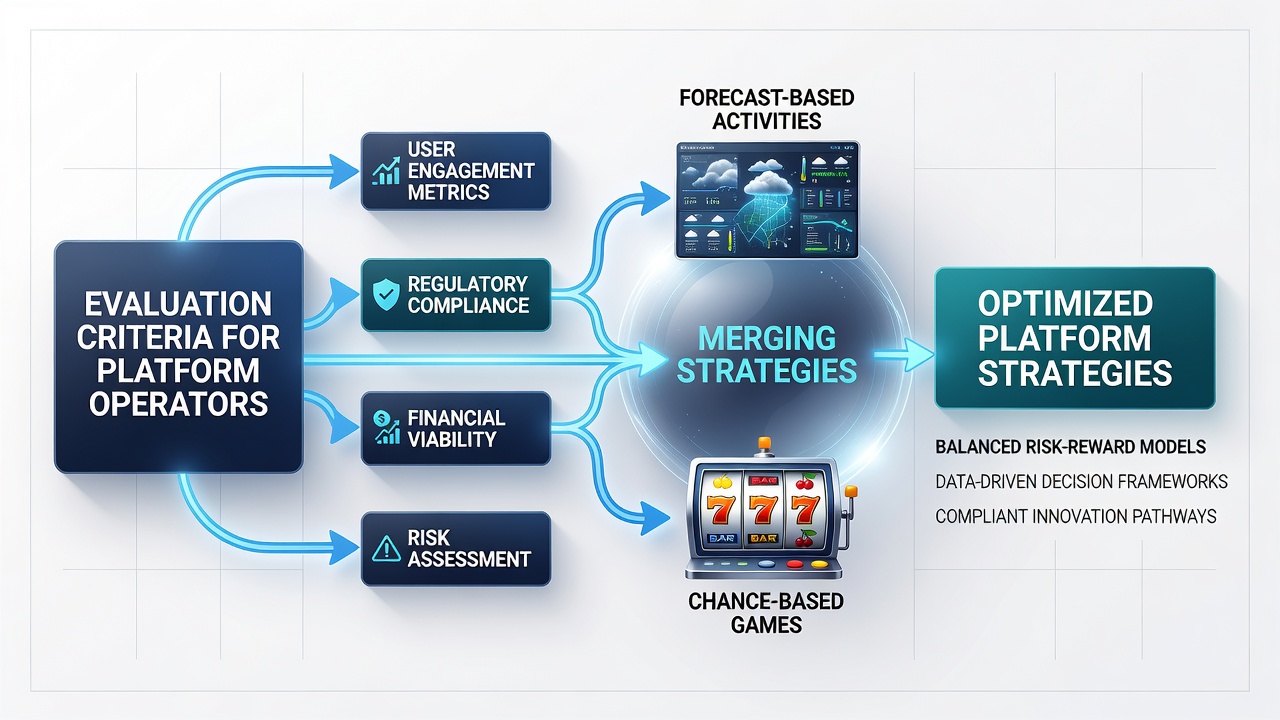
How Evaluation Criteria for Platform Operators Affect Strategies for Merging Forecast-Based Activities with Chance-Based Games
Platform operators face structured assessments from regulatory bodies that measure compliance, risk management, and operational integrity, and these evaluations directly shape how companies integrate forecast-based elements such as prediction markets with chance-based mechanics like random number generator games. In November 2026 regulators across multiple jurisdictions continued to refine scoring systems that assign points for transparency in game design, player data protection, and financial safeguards, prompting operators to adjust their product roadmaps accordingly. Those who studied these frameworks note that higher scores often require clear separation between skill-prediction components and pure-chance segments so that each activity meets distinct fairness thresholds.
Core Evaluation Metrics and Their Scope
Assessment protocols typically examine several dimensions including algorithmic auditability, segregation of game logic, and historical performance on responsible gaming indicators, while data from industry reports indicates that platforms scoring above 85 percent on these metrics receive expedited licensing renewals in regions such as Ontario and several Australian states. Operators must demonstrate that forecast-based activities rely on verifiable external data feeds and transparent outcome calculations, whereas chance-based games undergo separate random number generator certification, and this dual-track requirement encourages modular architecture that allows independent testing of each module. Researchers discovered that when evaluation criteria emphasize cross-game data sharing controls, companies redesign reward systems to prevent leakage of predictive insights into random outcomes, thereby maintaining compliance boundaries.
Strategic Adjustments in Product Development
Companies respond to these criteria by adopting phased integration models where forecast modules launch first under stricter scrutiny and chance elements follow once baseline scores stabilize, and this sequence reduces the likelihood of scoring penalties during annual reviews. One study revealed that operators in North American markets shifted toward API-driven hybrids that isolate predictive logic behind separate compliance layers, allowing quick updates without triggering full re-evaluations of the random components. Figures from European trade associations show a 22 percent increase in modular game submissions between 2025 and 2026, reflecting the preference for designs that accommodate incremental regulatory checks.
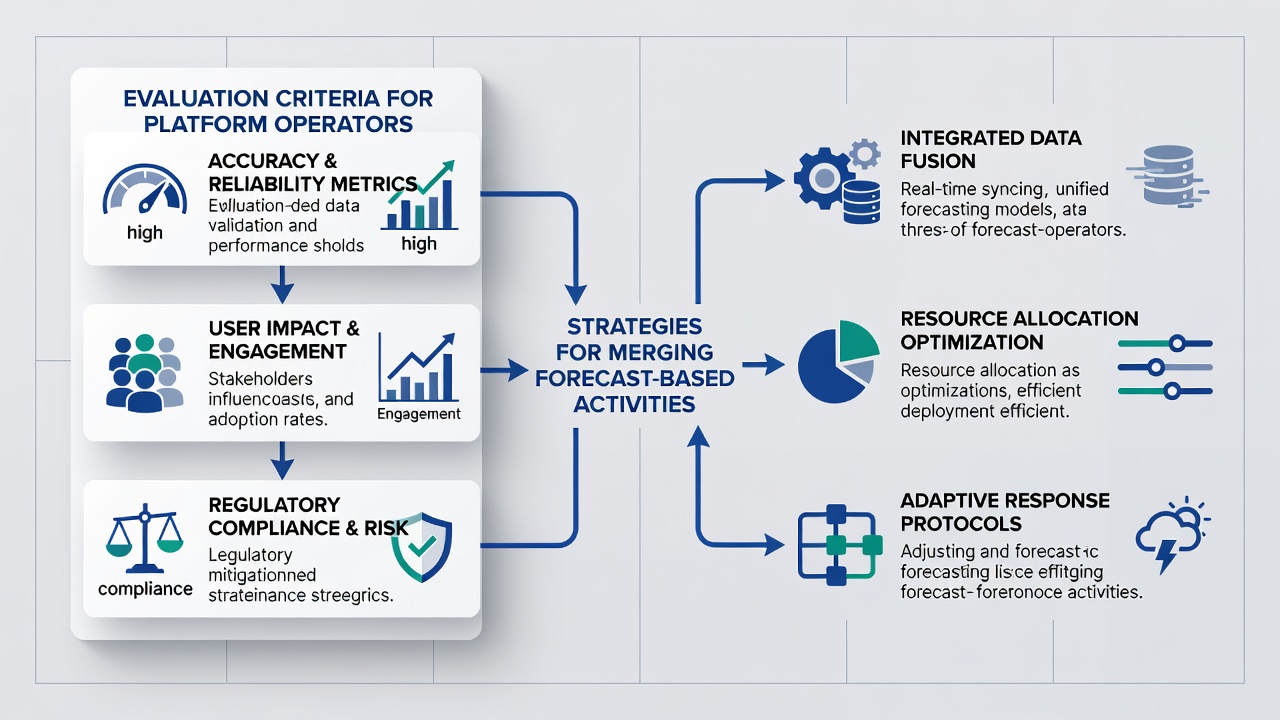
Impact on Partnership and Technology Choices
Evaluation outcomes influence vendor selection because platforms seek technology providers whose solutions already carry pre-certified compliance documentation, and this preference has accelerated adoption of standardized middleware that supports both prediction feeds and random generators within unified dashboards. Observers note that operators achieving top-tier ratings often publish their integration blueprints publicly to attract institutional partners, while those with lower scores focus internal resources on remediation rather than expansion. Data from the Nevada Gaming Control Board indicates that hybrid product approvals rose 31 percent in the first three quarters of 2026 when applicants submitted segmented risk assessments aligned with evaluation rubrics.
Regulatory bodies in additional jurisdictions such as the Isle of Man Gambling Supervision Commission apply similar weighted criteria that reward clear audit trails for forecast data sources, and this emphasis pushes operators to maintain redundant verification systems that add operational costs yet improve overall scores. Companies that align their merging strategies with these expectations report smoother interactions during license renewals and fewer remediation mandates.
Case Examples from Recent Regulatory Cycles
Take one operator that restructured its hybrid offerings ahead of the November 2026 evaluation window by introducing separate player accounts for forecast activities and chance games, thereby satisfying requirements for distinct financial tracking and risk profiling. There's this case where experts found that platforms incorporating real-time scoring dashboards tied to evaluation metrics reduced average review times by several weeks compared with legacy monolithic systems. Patterns across submissions show that early alignment with criteria on data segregation correlates with higher approval rates for new hybrid titles in both established and emerging markets.
Conclusion
Evaluation criteria continue to serve as primary drivers for how platform operators structure the combination of forecast-based activities and chance-based games, and the resulting strategies emphasize modularity, documented compliance pathways, and phased rollouts that match regulatory timelines. As assessment frameworks evolve through 2026 and beyond, operators that maintain alignment with these standards position themselves for sustained licensing stability across multiple regions.